Sulfur for acne treatment is one of the oldest remedies in skincare, and it still earns a place on spa menus and dermatology shelves today because the science behind it is genuinely sound. If you have oily, congested, or breakout-prone skin, understanding how sulfur works (and where it fits alongside other actives) will help you make smarter choices before you ever book a facial or buy a product.
Key Takeaways
- Sulfur is keratolytic and mildly antimicrobial, which helps unclog pores and reduce oil, making it well suited to inflammatory and oily-skin acne.
- It is gentler than benzoyl peroxide but usually slower, and it works best as part of a routine rather than a single miracle fix.
- Professional sulfur facials in coastal Orange County typically run from roughly $75 to $250 per session depending on provider and add-ons.
- For hormonal or persistent acne, a licensed provider can layer sulfur with extractions, LED, or prescription options for better results.
How Sulfur for Acne Treatment Actually Works
Sulfur has been used in acne care for well over a century, and its mechanism is well understood. It is keratolytic, meaning it helps loosen and shed the dead skin cells that build up and clog pores. It also has mild antimicrobial properties that can reduce the bacteria linked to inflammatory breakouts, plus a drying effect that absorbs excess sebum.
That combination makes sulfur especially useful for oilier skin types and for the small, pus-topped bumps of inflammatory acne. In a professional setting it usually appears as:
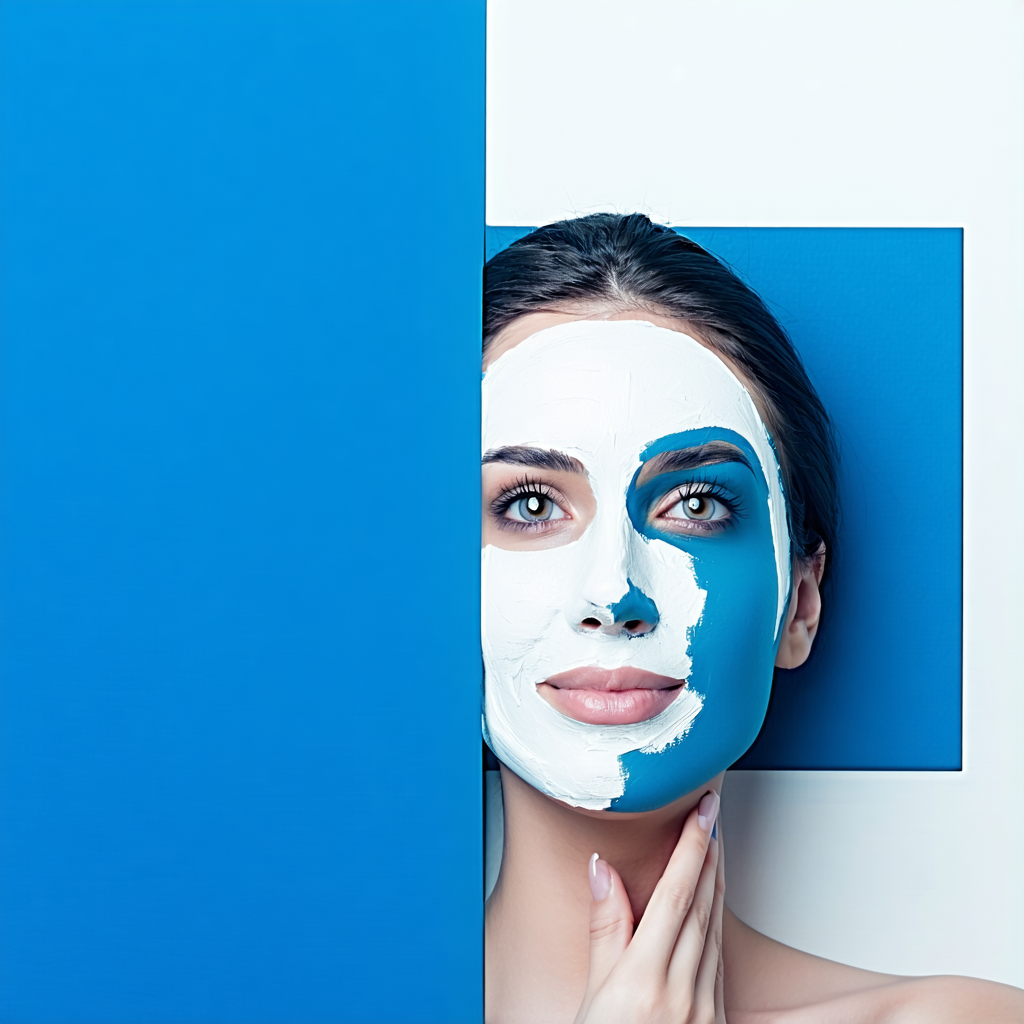
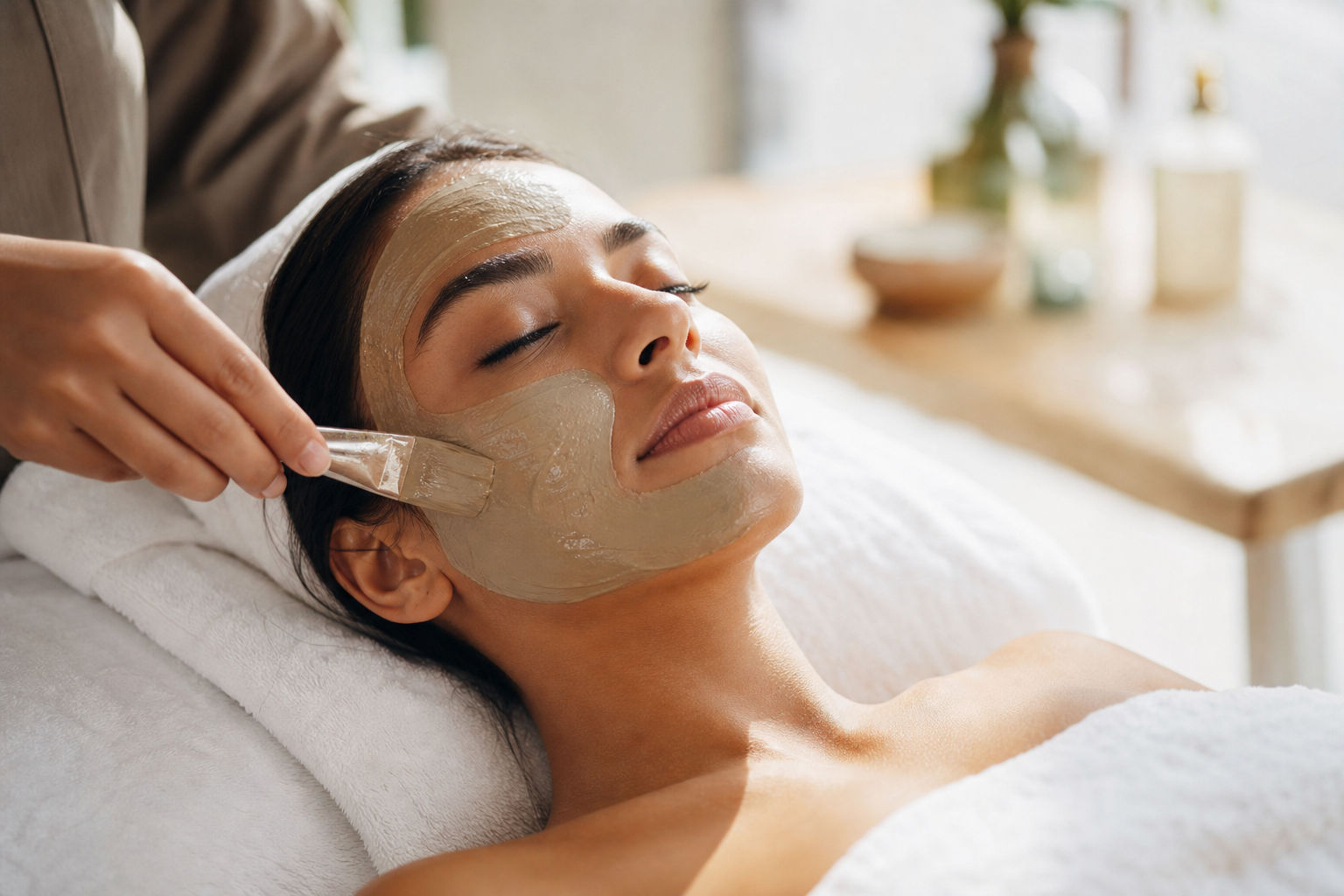
- A mask (a paste or cream left on for 10 to 20 minutes), often blended with kaolin or bentonite clay to boost oil absorption.
- A spot treatment or leave-on lotion targeting active breakouts.
- Part of a combination peel or medicated cleanser, sometimes paired with resorcinol, salicylic acid, or prescription sodium sulfacetamide.
As a natural remedy for acne treatment, sulfur appeals to people who find stronger actives too irritating. It is effective but understated, which is exactly why it pairs so well with other ingredients.
Sulfur vs Salicylic Acid vs Benzoyl Peroxide
These three are the workhorses of acne care, and they do different jobs. Salicylic acid is oil-soluble and dives into the pore to clear blackheads and whiteheads, so it shines for congestion and comedonal acne. Benzoyl peroxide is a strong antibacterial that kills acne-causing bacteria fast, which is why it is genuinely good for treating red, inflamed pimples, though it can be drying and can bleach fabric.
So which is better for acne, salicylic or benzoyl? Salicylic acid suits clogged, bumpy skin; benzoyl peroxide suits angry, inflamed breakouts. Sulfur sits in between: gentler than benzoyl peroxide, still antibacterial, and kind to reactive skin. Because it is so well tolerated, using sulfur for acne treatment alongside these actives is a common strategy. Many people get the best results by rotating or combining them under guidance rather than picking just one.
What Clears Acne Fastest, and Where Sulfur for Acne Treatment Fits
Honest answer: nothing clears acne overnight. The fastest-acting acne spot treatments are typically benzoyl peroxide or a targeted sulfur spot lotion, which can visibly calm an individual pimple within 24 to 48 hours. But whole-face clearing takes weeks because skin cells turn over on their own timeline.
For the best skin care acne treatment results, think in layers:
- Cleanse with a gentle salicylic or sulfur-based wash.
- Treat active spots with a fast-acting benzoyl peroxide or sulfur spot product.
- Maintain with a consistent routine and, for stubborn cases, professional treatment.
The best spot treatment for acne is the one your skin tolerates without becoming raw. Overloading with actives usually backfires, triggering more redness and peeling than the pimple itself. This is where sulfur for acne treatment earns its reputation, since it calms without stripping skin the way harsher options can.
What Dermatologists Do for Acne
When over-the-counter care stalls, dermatologists escalate. Common in-office and prescription options include professional extractions, chemical peels (including salicylic and sulfur-based formulas), topical retinoids, topical or oral antibiotics for a limited period, LED light therapy, and hormonal treatments for the right candidates. The goal is to match the treatment intensity to the acne type rather than reaching for the strongest option first.
Sulfur for Acne Treatment When Hormones Are Involved
Hormonal acne behaves differently. It tends to appear along the lower face, jawline, and chin, often flares with the menstrual cycle, and shows up as deeper, tender cystic bumps rather than surface whiteheads. PCOS acne (polycystic ovary syndrome) usually follows this same pattern and may come alongside irregular cycles, oilier skin, and other symptoms your physician can evaluate.
How can you clear hormonal acne fast? Realistically, topicals like sulfur help manage surface inflammation and oil, but deep hormonal breakouts often need a provider to address the underlying driver. That can mean prescription therapies or hormonal management alongside a calming topical routine. Sulfur for acne treatment is a helpful supporting player here, soothing and drying active lesions, but it is rarely the whole solution for cystic hormonal acne.
If your breakouts are deep, cyclical, and stubborn, see a licensed provider rather than layering more products. This is information, not medical advice, and your specific situation deserves a professional assessment.
What to Expect From a Professional Sulfur Facial
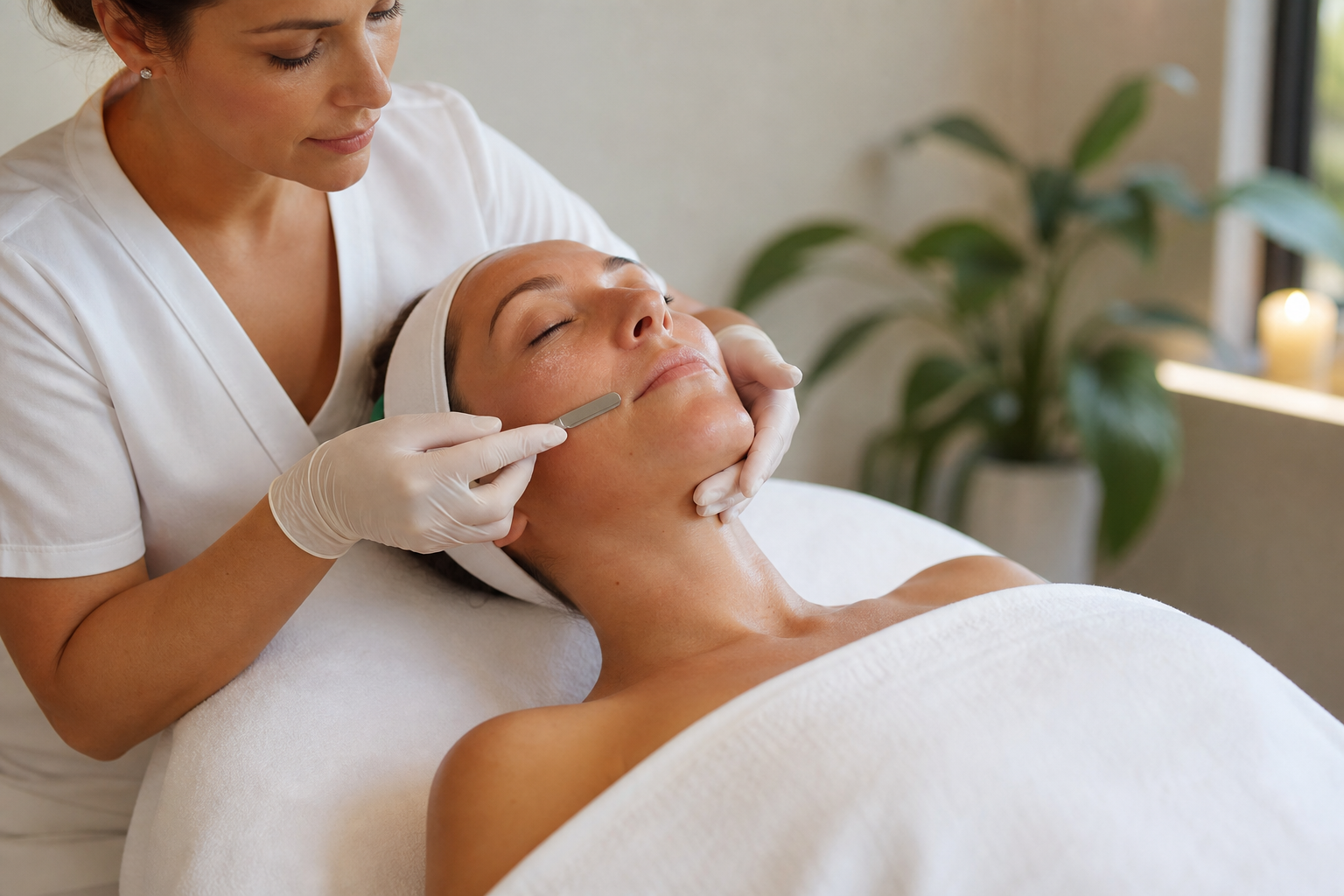
Before: Your esthetician assesses your skin type and breakout pattern, then cleanses and preps the surface. Tell them about any actives you already use so they can avoid over-exfoliating.
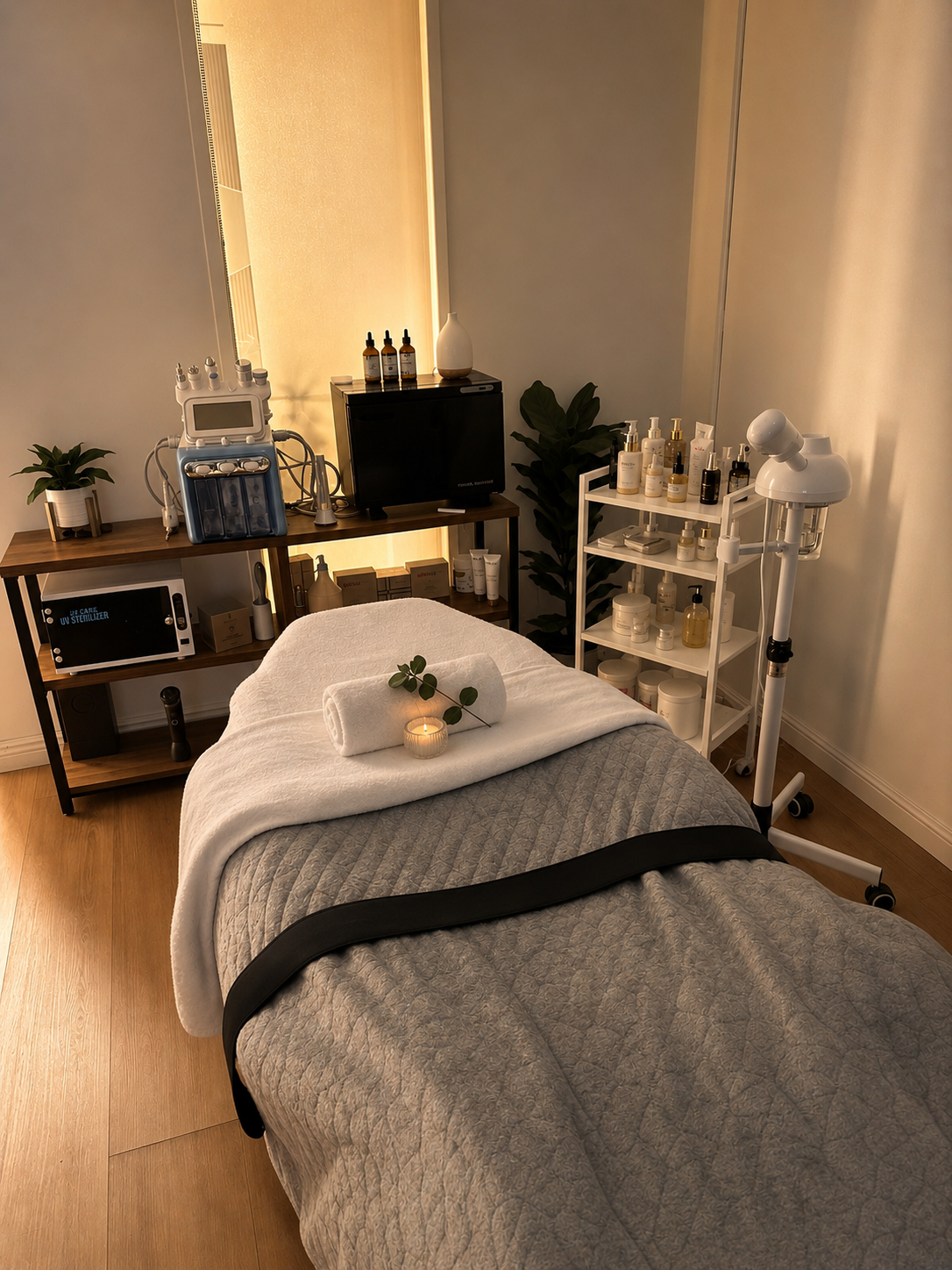
During: Expect double cleansing, gentle exfoliation, sometimes steam and careful extractions, then a sulfur mask left on for 10 to 20 minutes. Many providers finish with LED light or a soothing serum. A session generally lasts 45 to 75 minutes.
After: Downtime is minimal, usually zero to two days of mild redness or slight dryness. Results build over a series: one facial calms current breakouts, while four to six sessions spaced two to four weeks apart deliver the clearer, more even skin most people are after. Wear sunscreen and skip harsh scrubs for a few days.
Who It Suits and Who Should Be Cautious
Sulfur is a strong fit for oily and combination skin with inflammatory or mild-to-moderate acne. Very dry or sensitive skin may find it drying, so patch testing matters. Anyone pregnant, breastfeeding, with a sulfa-related sensitivity, or with severe cystic acne should consult a provider before starting.
Pricing and Choosing a Provider in Corona Del Mar
In coastal Orange County, single professional facials that include a sulfur mask or acne-focused treatment commonly range from roughly $75 to $250 per session, with medical-grade or dermatology visits running higher once exam fees and add-ons are included. Prices vary because of:
- Provider type: esthetician-led day spas sit lower; med spas and dermatology offices sit higher.
- Formulation: plain sulfur masks cost less than combination peels layering multiple actives.
- Bundling: packages of four to six sessions lower the per-visit cost.
- Add-ons: extractions, LED, and take-home regimens increase the total.
Corona Del Mar searchers tend to weigh credentials and results over the cheapest price, and that is the right instinct. If you are comparing options for sulfur for acne treatment near you, look for licensed estheticians, transparent treatment plans, and a provider who tailors the protocol to your skin rather than selling a one-size-fits-all facial.
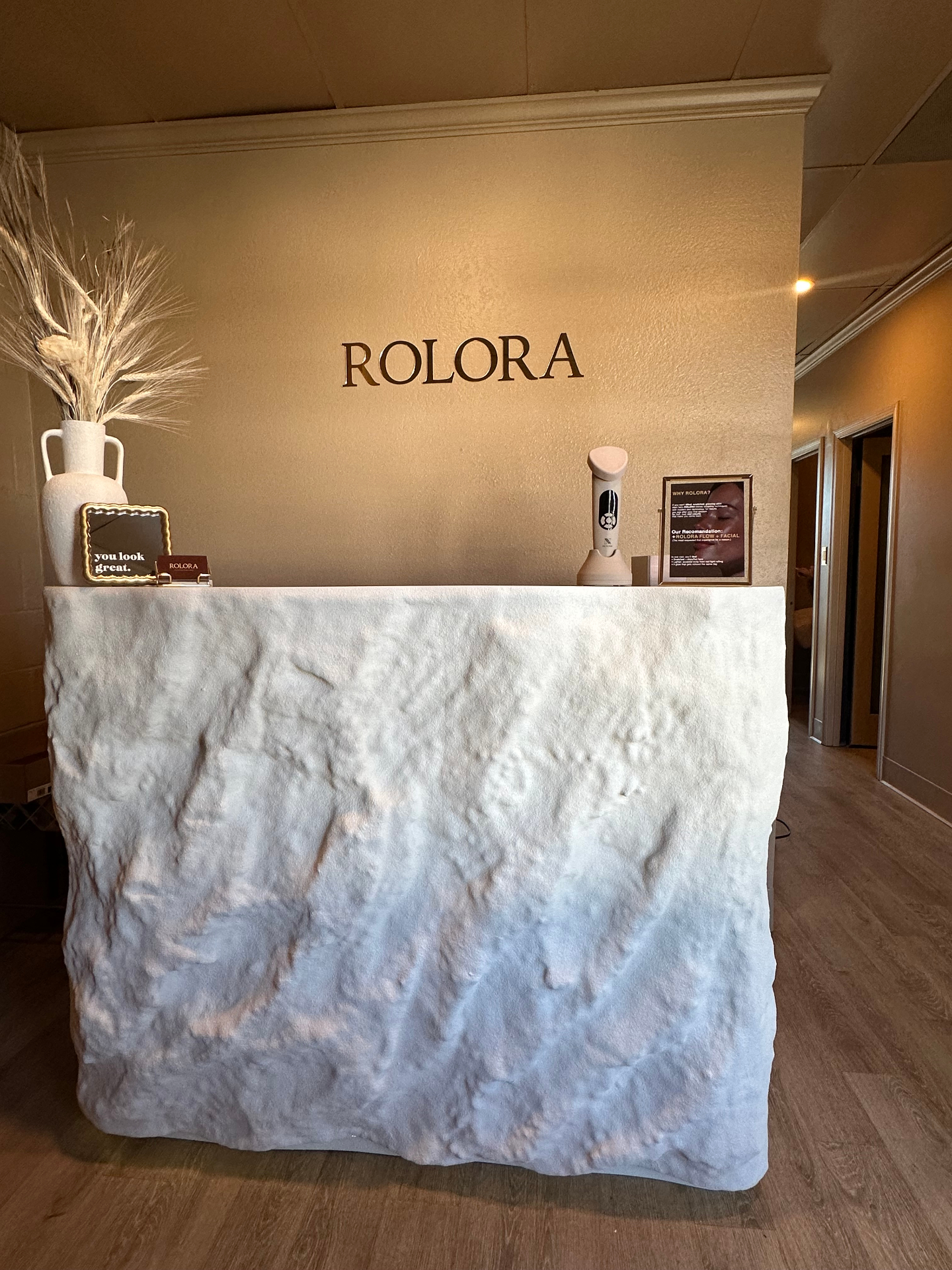
For those searching anti aging Corona Del Mar and acne care in the same breath, ROLORA SPA is a strong local option, offering advanced, technology-forward facials in a curated setting. Their focused Acne Treatment pairs naturally with their Anti Aging Treatment for anyone managing breakouts and early aging concerns at once.
Ready to experience ROLORA SPA in Corona Del Mar?
Book a Visit at ROLORA SPANext Steps
Start simple: patch test a sulfur wash or spot treatment for a week and watch how your skin responds. Keep active pimples calm with a fast-acting spot product, stay consistent for at least four to six weeks before judging results, and always finish your morning routine with sunscreen. If your acne is deep, cyclical, or unresponsive, book a professional assessment rather than stacking more products. Sulfur for acne treatment works best as a steady, well-matched part of a plan, so let a licensed provider help you build the routine that fits your skin.