Dermaplaning Near You.

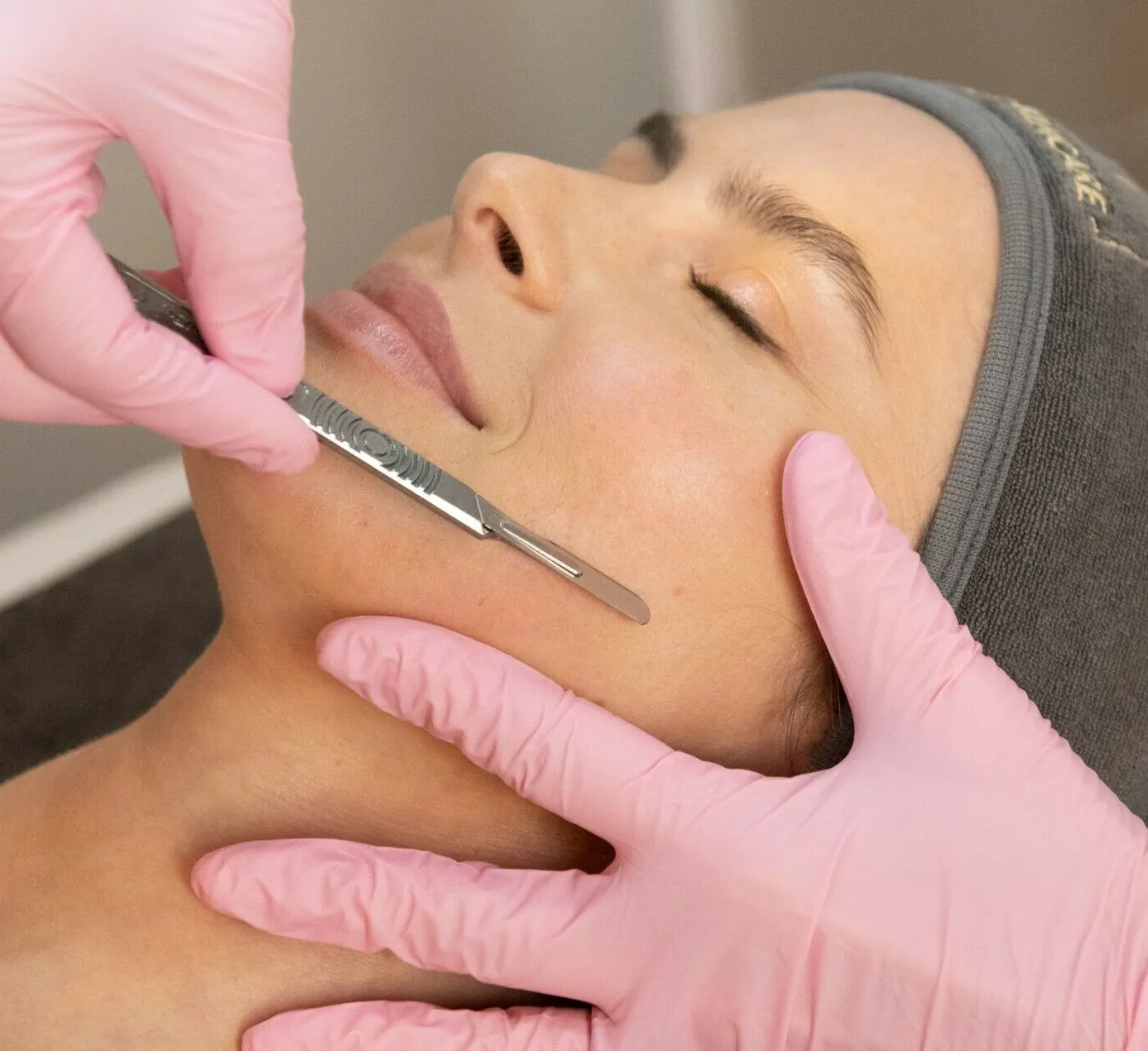
    Dermaplaning is a manual exfoliation technique in which an esthetician uses a sterile surgical blade to gently shave off the topmost layer of dead skin and fine vellus hair, also known as peach fuzz.

    What is a Dermaplaning?

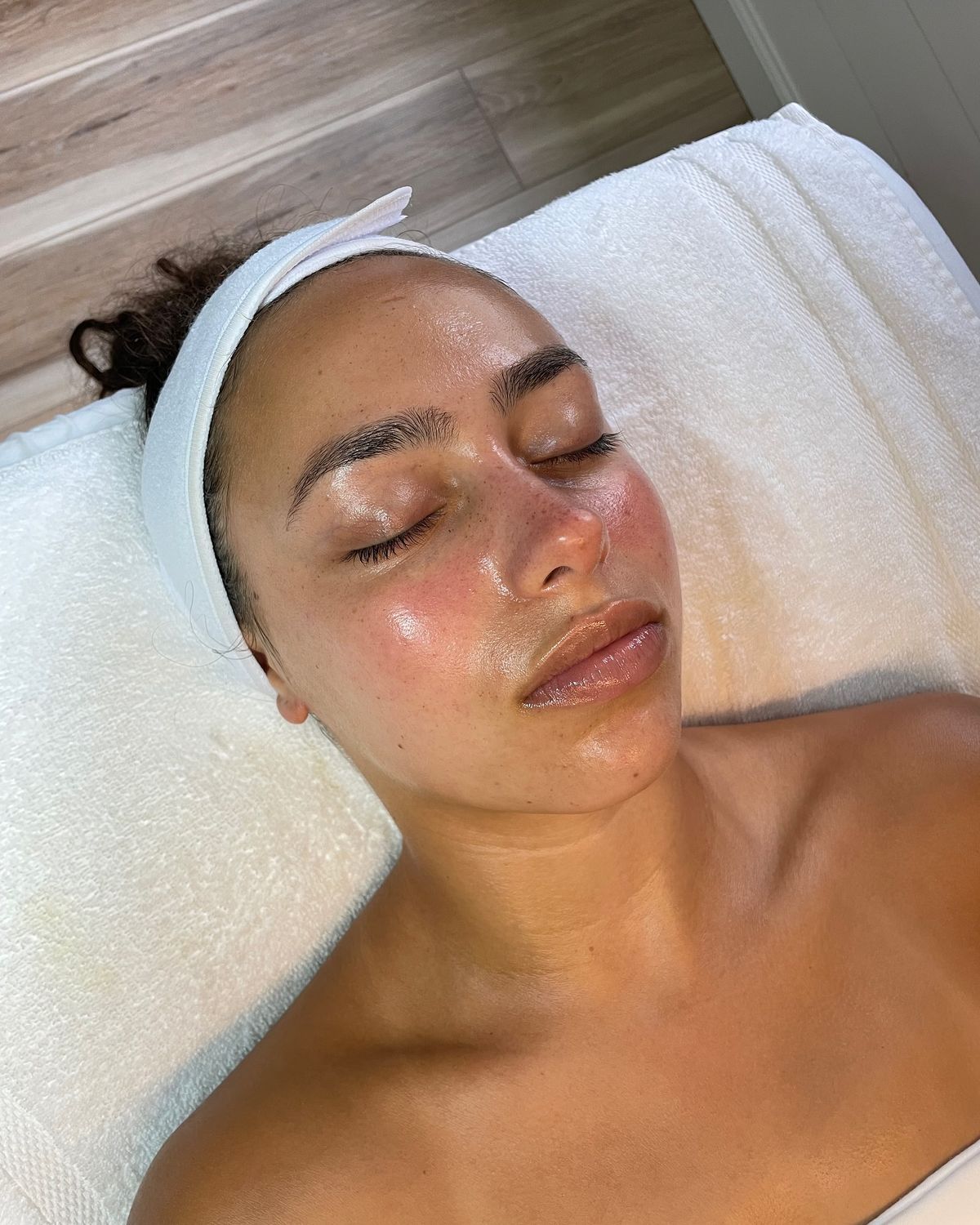
    Dermaplaning is a manual exfoliation technique in which an esthetician uses a sterile surgical blade to gently shave off the topmost layer of dead skin and fine vellus hair, also known as peach fuzz. The treatment leaves the skin instantly smoother, helps makeup sit more evenly, and allows skincare products to penetrate more effectively. There is no downtime, and results last roughly three to four weeks until the exfoliated layer naturally renews itself.

    Dermaplaning pairs especially well with a chemical peel or a hydrating mask, since the freshly exfoliated surface absorbs actives more efficiently. It is not appropriate during active acne flares or for clients with very sensitive or rosacea-prone skin. Many clients book dermaplaning the week before a wedding, event, or photoshoot for its immediate smoothing effect on foundation, and rotate it in monthly as ongoing maintenance.

    Find Dermaplaning in your city

    Browse spas offering this treatment by location.

    Dermaplaning questions, answered

    The essentials, from the practitioners who do this every day.

    What is dermaplaning?

    Dermaplaning is a manual exfoliation technique in which an esthetician uses a sterile surgical blade to gently shave off the topmost layer of dead skin and fine vellus hair, also known as peach fuzz. The treatment leaves the skin instantly smoother, helps makeup sit more evenly, and allows skincare products to penetrate more effectively. There is no downtime, and results last roughly three to four weeks until the exfoliated layer naturally renews itself.

    How much does dermaplaning cost?

    Pricing for a dermaplaning typically ranges from about $100 to $350 in the United States, with most boutique spas falling in the $150 to $250 band for a single session. Pricing depends on the practitioner's experience, the city, the length of the appointment, and any technology — microcurrent, LED, radiofrequency — bundled into the protocol. Many spas offer discounted packages when you commit to a series, which is the most cost-effective way to book if you plan to keep treatments in regular rotation.

    How often should I get a dermaplaning?

    For most clients, a dermaplaning works best on a four-to-six-week cadence — roughly aligned with the skin's natural cell turnover cycle. Some treatments benefit from a more concentrated kickoff series (typically three to six sessions, two to four weeks apart) before transitioning to monthly maintenance. Your esthetician will refine the cadence based on how your skin responds, what season it is, and what other in-spa or at-home actives you're using.

    What are the benefits of a dermaplaning?

    A dermaplaning delivers visible results that a home routine alone usually cannot match — clearer pores, smoother texture, more even tone, and skin that simply looks healthier. Beyond the immediate result, regular sessions support longer-term skin health by encouraging healthy cell turnover, reinforcing the barrier, and giving an experienced practitioner a recurring window to spot and address concerns early. The relaxation and stress-reduction component is a quiet, underrated benefit too.