Best Facials for Acne-Prone Skin: Complete Treatment Guide
Acne is a common skin condition that affects individuals of all ages. While it often appears during adolescence, many adults also experience persistent breakouts. Finding effective treatments for acne-prone skin can be overwhelming, but facials specifically designed for this skin type can play a crucial role in managing and reducing breakouts. This guide will explore the best facials for acne-prone skin, their benefits, and how you can incorporate them into your skincare routine.
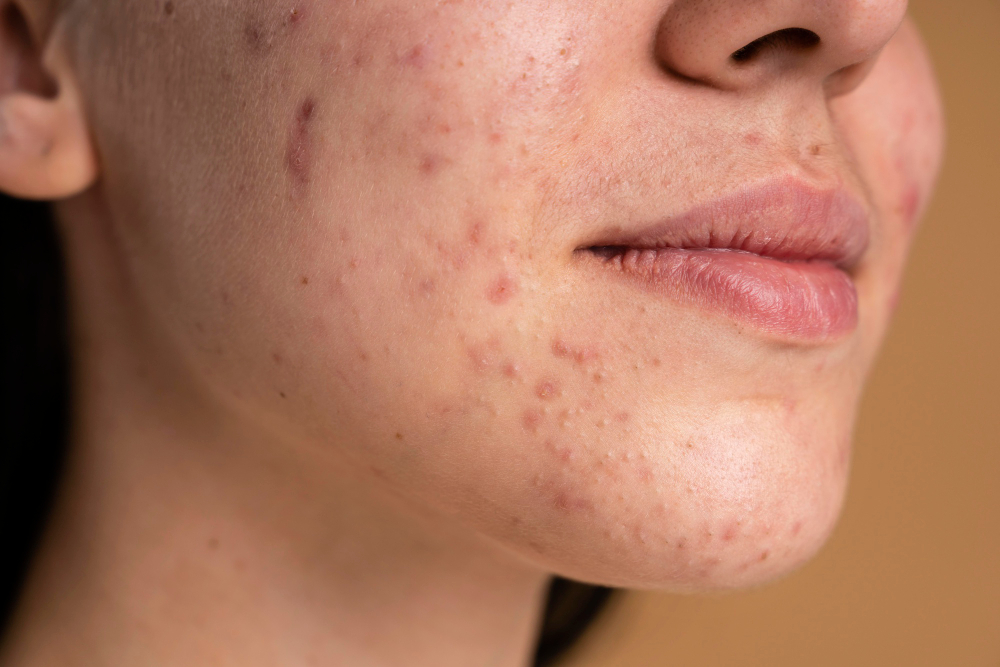
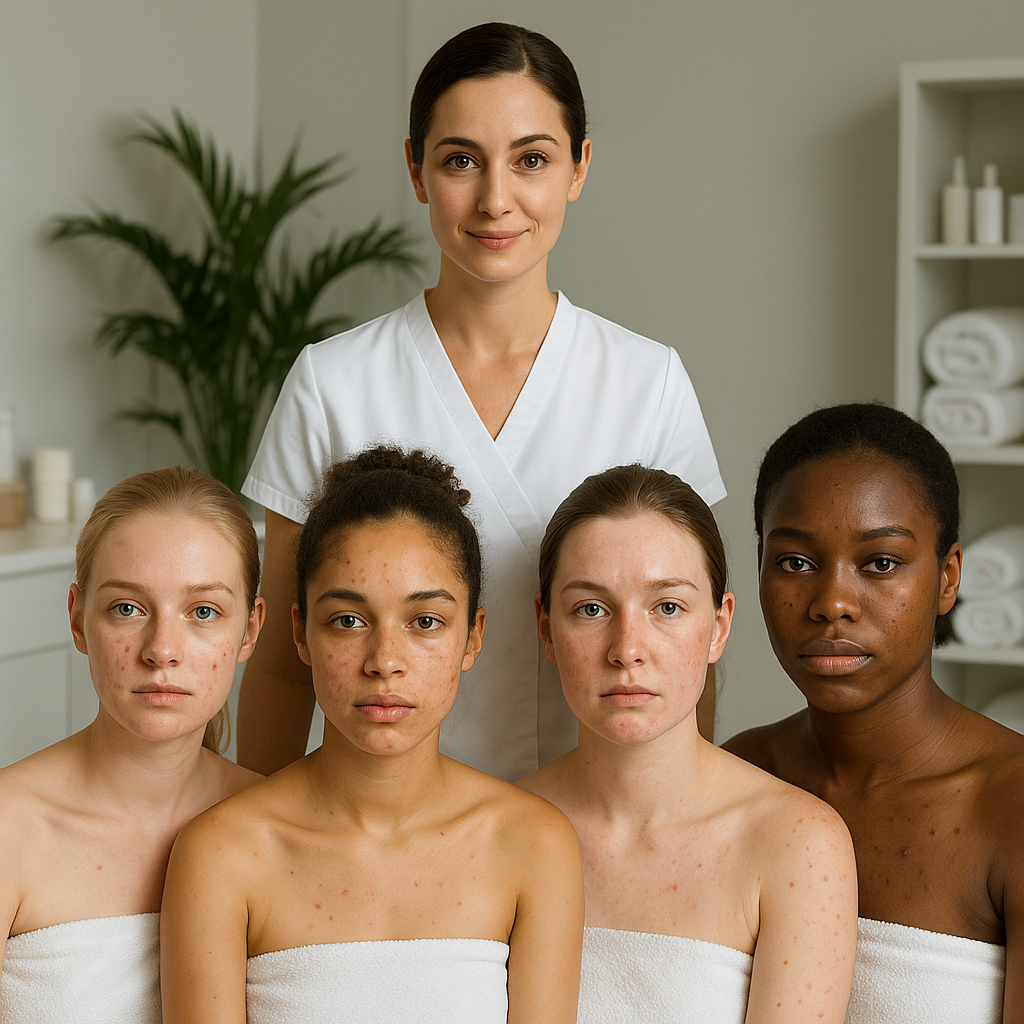 Illustration showing various acne-prone skin types and conditions.
Understanding Acne-Prone Skin
Acne occurs when hair follicles become clogged with oil and dead skin cells. Several factors contribute to acne, including hormonal changes, diet, and stress. Acne-prone skin may exhibit various types of blemishes, such as whiteheads, blackheads, and cystic acne. Understanding your skin type is essential for selecting the right facial treatment.
The Importance of Facials for Acne-Prone Skin
Facials can provide deep cleansing and targeted treatments that help to clear impurities from the skin, reduce inflammation, and promote healing. Regular facials can improve skin texture, enhance hydration, and prevent future breakouts. Here are some key benefits of facials for acne-prone skin:
- Deep Cleansing: Facials typically involve thorough cleansing, which removes dirt, excess oil, and makeup.
- Exfoliation: Many facials include exfoliating treatments that help to remove dead skin cells, promoting cell turnover.
- Hydration: Hydrating masks and serums can restore moisture to the skin, which is often compromised in acne-prone individuals.
- Targeted Treatments: Some facials incorporate specific ingredients that target acne, such as salicylic acid or tea tree oil.
Best Facials for Acne-Prone Skin
1. Salicylic Acid Facial
Salicylic acid is a beta hydroxy acid that penetrates the pores, effectively dissolving excess oil and dead skin cells. A salicylic acid facial can help to clear existing breakouts and prevent new ones from forming. This facial typically involves the application of a salicylic acid cleanser, followed by a mask and treatment products containing this key ingredient.
2. Clay Mask Facial
Clay masks are excellent for absorbing excess oil and drawing out impurities from the skin. A clay mask facial usually includes the application of a clay-based mask combined with steam to open up the pores. This treatment is particularly beneficial for those with oily skin, as it helps to reduce shine while leaving the skin feeling refreshed.
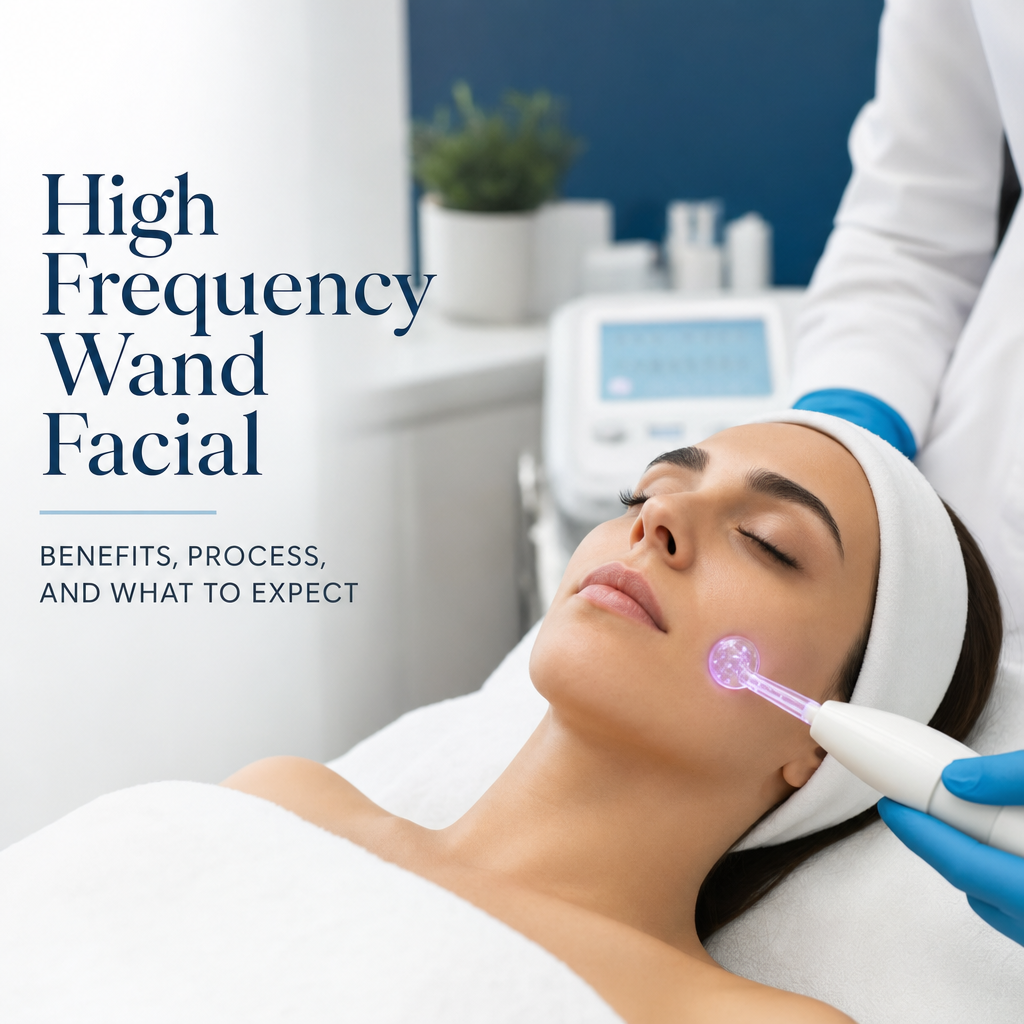
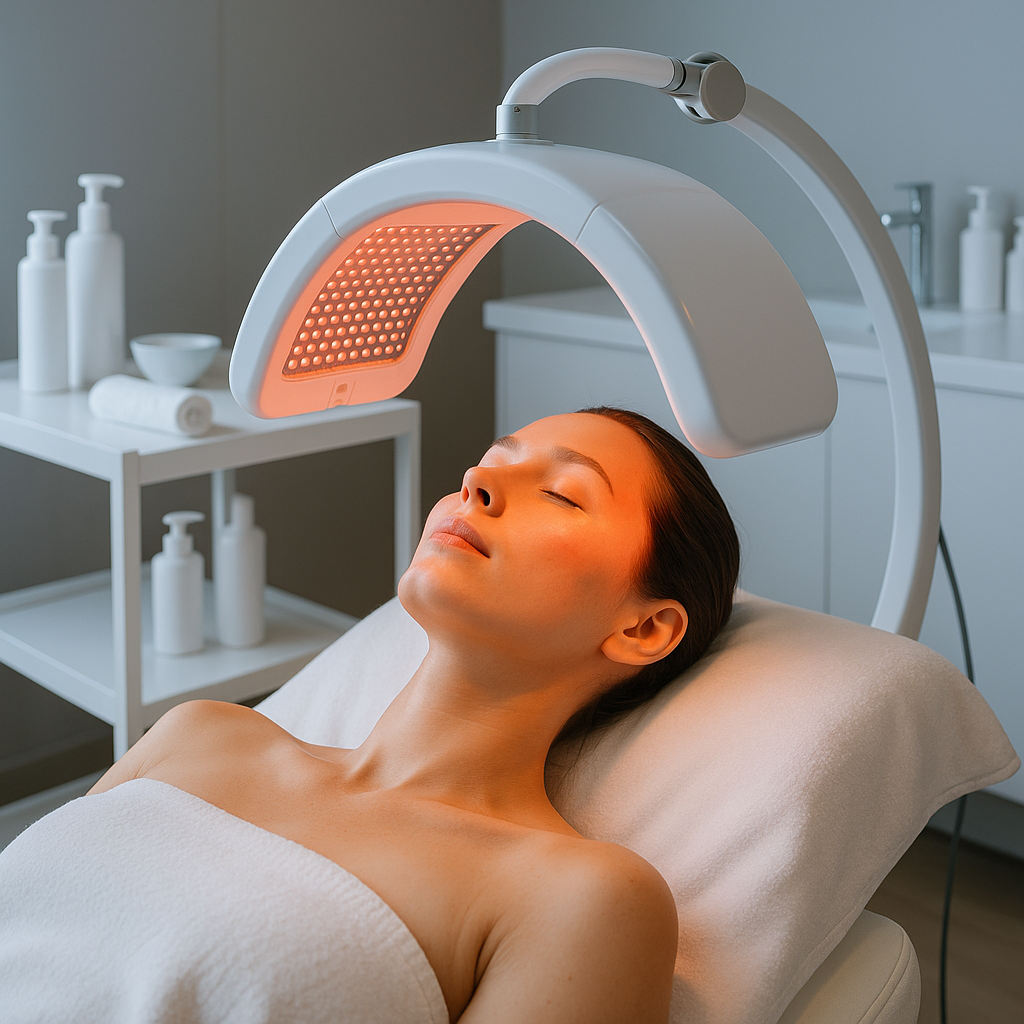 Image of a professional facial treatment setup with LED light therapy.
3. LED Light Therapy Facial
LED light therapy uses different wavelengths of light to target various skin concerns. Blue light is particularly effective for treating acne, as it kills acne-causing bacteria without damaging the skin. This facial typically includes a cleansing step, followed by the application of LED lights for a specified duration. Patients often see improvement in their skin after several sessions.
4. Hydrating Facial
Although hydration may seem counterintuitive for acne-prone skin, a hydrating facial can help to balance moisture levels, reducing the skin's tendency to overproduce oil. These facials often include hydrating serums and masks that soothe and nourish the skin while providing essential moisture.
5. Microdermabrasion Facial
Microdermabrasion is a non-invasive treatment that exfoliates the skin's surface, removing dead skin cells and promoting new cell growth. This facial is ideal for individuals with acne scars, as it can help to improve skin texture and reduce the appearance of blemishes.
Choosing the Right Facial
Selecting the right facial for your acne-prone skin depends on several factors, including your skin type, the severity of your acne, and your overall skincare goals. It is essential to consult with a licensed esthetician or dermatologist to determine the best treatment for your specific needs. They can help to assess your skin and recommend a personalized facial treatment plan.
Frequency of Facials
The frequency of facials will vary based on individual skin concerns. Generally, it is advisable to receive facials every 4 to 6 weeks. This timeline allows your skin enough time to recover and benefit from the treatment before the next session.
At-Home Facial Options
If visiting a spa or clinic is not feasible, there are effective at-home facial options for acne-prone skin. Consider using products that contain salicylic acid or clay masks to replicate the benefits of professional facials. Regularly cleansing and exfoliating your skin at home can also help to maintain results between treatments.
Pricing and Treatment Options
The cost of facials can vary significantly based on location and the type of treatment. On average, a professional facial for acne-prone skin can range from $75 to $150 per session. It is essential to consider the value of investing in high-quality skincare treatments to achieve clearer skin.
Final Thoughts
Managing acne-prone skin requires a multifaceted approach. Incorporating facials into your skincare routine can significantly improve the overall health and appearance of your skin. Remember to consult with a skincare professional to determine the best treatments tailored to your specific needs. Regular facials, combined with a consistent at-home skincare regimen, can lead to clearer, healthier skin. Take action today by scheduling your next facial and investing in your skin's health.