
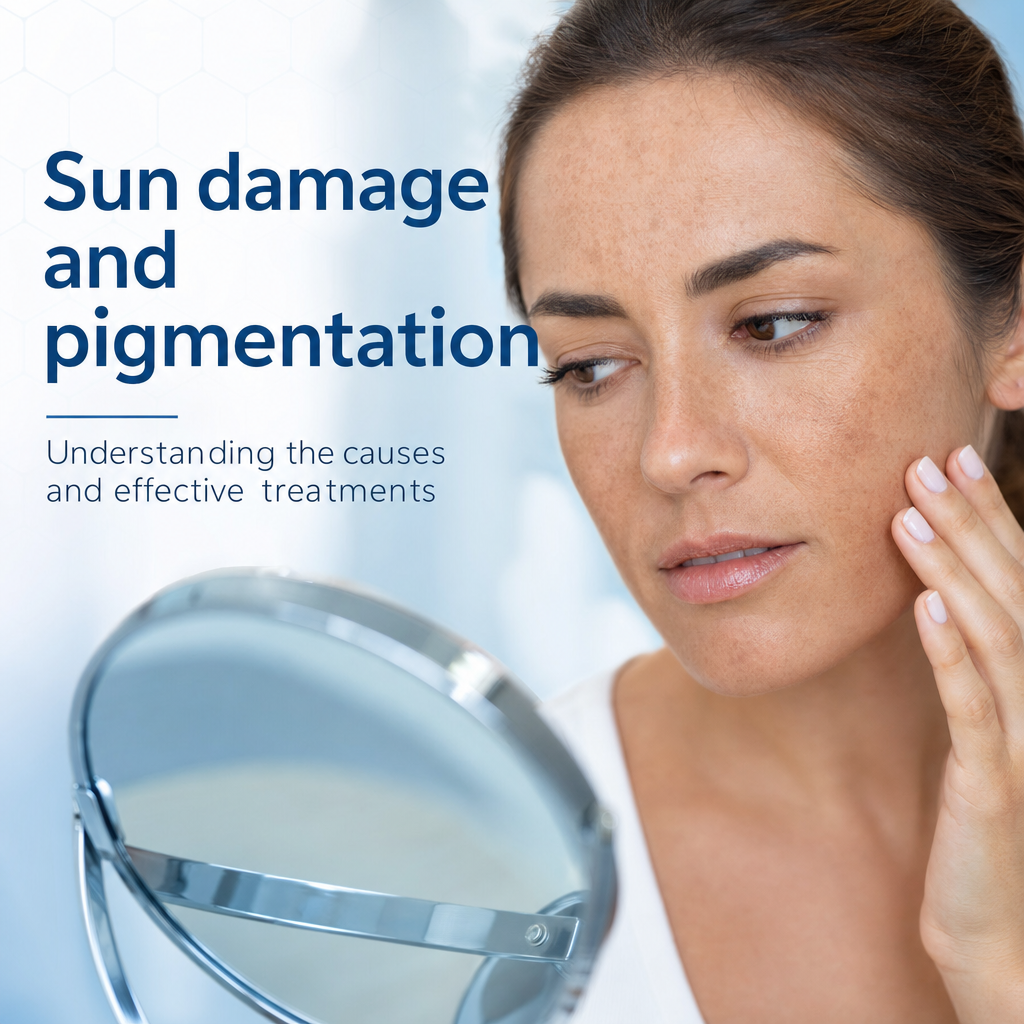
Understanding Sun Damage and Pigmentation
Sun damage and pigmentation are two of the most common skin concerns faced by many individuals, especially those who spend a significant amount of time outdoors. The sun, while essential for life, can also have detrimental effects on our skin. Over time, exposure to UV rays can lead to various skin issues, including pigmentation changes, which can manifest as dark spots, uneven skin tone, and premature aging. This article delves into the intricacies of sun damage and pigmentation, exploring their causes, effects, and the most effective treatments to restore and rejuvenate your skin.
Key Benefits of Addressing Sun Damage
Addressing sun damage and pigmentation is crucial for several reasons:
- Improved Skin Health: Treating sun damage can enhance overall skin health, making it look more vibrant and youthful.
- Prevention of Further Damage: Early intervention can prevent more severe skin issues, including skin cancer.
- Boost in Confidence: Clearer skin can significantly improve self-esteem and confidence levels.
- Even Skin Tone: Treatments can help achieve a more uniform skin tone, reducing the appearance of dark spots.
What to Expect from Sun Damage Treatments
When seeking treatment for sun damage and pigmentation, it’s important to understand what to expect. Most treatments focus on:
- Exfoliation: Removing dead skin cells to promote new skin growth.
- Targeted Treatments: Using specific ingredients or procedures to address pigmentation.
- Hydration: Keeping the skin moisturized to maintain its elasticity and health.
Consultations with skincare professionals can help tailor a treatment plan to your unique skin type and concerns.
Step-by-Step Guide to Treating Sun Damage
Step 1: Assess Your Skin
Start by assessing your skin type and the extent of sun damage. Look for signs such as:
- Uneven skin tone
- Dark spots or patches
- Increased dryness or rough texture
Step 2: Consult a Professional
Schedule a consultation with a dermatologist or skincare specialist. They can recommend appropriate treatments based on your skin evaluation.
Step 3: Choose Treatments
Your treatment options may include:
- Topical Treatments: Creams containing ingredients like hydroquinone, retinoids, or vitamin C.
- Chemical Peels: Procedures that exfoliate the skin to remove damaged layers.
- Laser Treatments: Targeting pigmentation with advanced technology.
Step 4: Follow a Skincare Routine
Implement a consistent skincare routine that includes:
- Daily sunscreen application
- Moisturizing products
- Regular exfoliation
Step 5: Monitor Results
Track your skin improvements over time, and be patient, as results may take weeks to become visible.
Expert Recommendations for Best Results
Experts recommend the following for optimal results:
- Daily Sunscreen: Use a broad-spectrum sunscreen with SPF 30 or higher every day, even when it’s cloudy.
- Hydrate: Drink plenty of water to keep your skin hydrated from within.
- Avoid Tanning Beds: These can exacerbate sun damage and increase the risk of skin cancer.
- Regular Check-ups: Visit your dermatologist annually for skin assessments.
Common Mistakes to Avoid
When dealing with sun damage and pigmentation, avoid these common mistakes:
- Skipping Sunscreen: Neglecting to apply sunscreen daily can worsen pigmentation.
- Inconsistent Treatment: Not following through with prescribed treatments may delay results.
- Ignoring Professional Advice: Always consult with a professional before trying new products or treatments.
Investment Guide: Cost of Treatments
The cost of treating sun damage and pigmentation can vary widely based on the treatment type and provider. Here’s a breakdown:
Treatment TypeAverage CostFrequencyTopical Treatments$30 - $200DailyChemical Peels$150 - $300Every 4-6 weeksLaser Treatments$300 - $1500Every few months
Always discuss pricing with your chosen provider to understand what is included in the treatment plan.
Before and After: Results Timeline
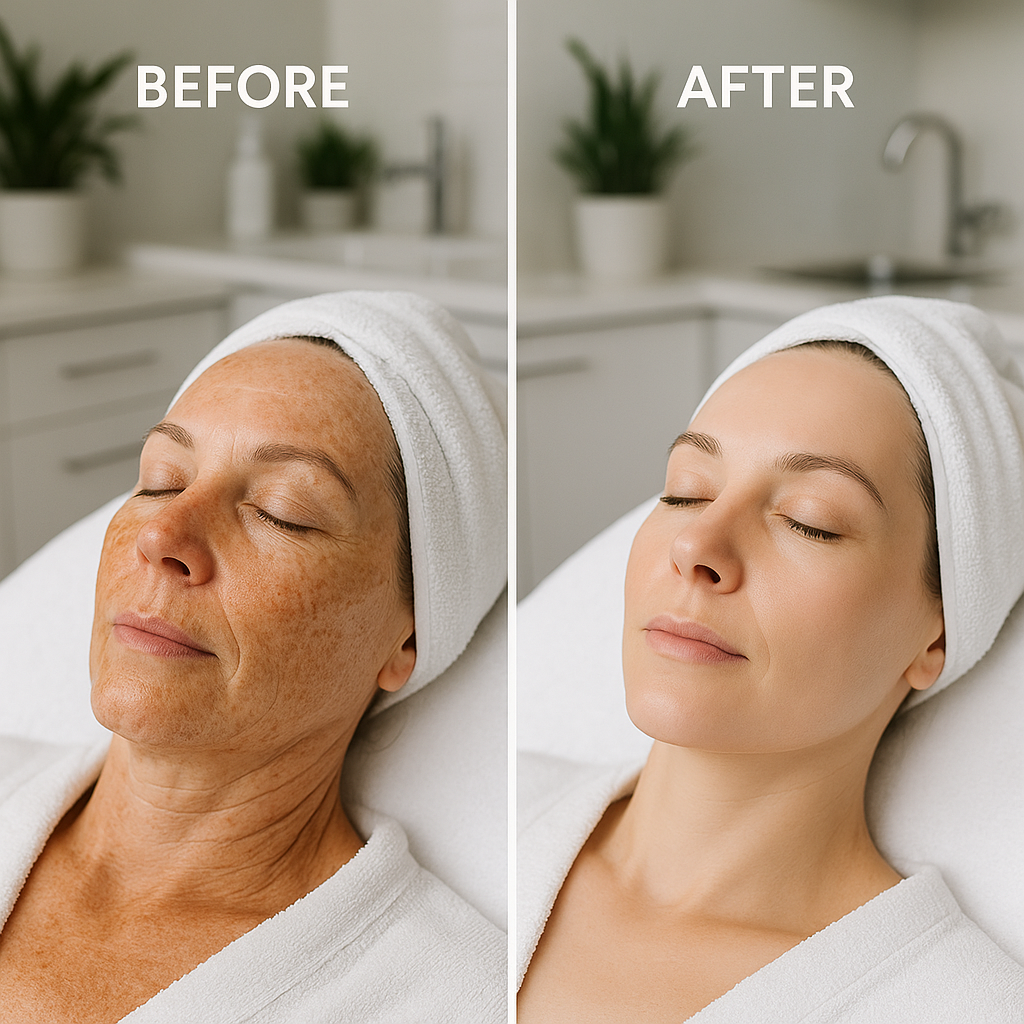 A side-by-side comparison image showing before and after results of a skin treatment for sun damage and pigmentation, highlighting improvements in skin tone and texture.
Results from sun damage treatments can vary. Here’s a general timeline:
- Immediate Results: Some treatments, like chemical peels, may show visible results within a week.
- Short-Term Results: Improvements in pigmentation can typically be seen after 4-6 weeks of consistent treatment.
- Long-Term Results: For more significant changes, such as in skin texture and tone, expect to see results after several months.
Conclusion: Take Action for Healthier Skin
Sun damage and pigmentation are serious skin concerns, but with the right knowledge and treatment, they can be effectively managed. By understanding the causes, seeking professional advice, and following a tailored skincare routine, you can achieve healthier, more radiant skin. Don’t let sun damage dictate your skin’s health; take action today and consult with a skincare professional to explore your options.
For personalized skincare solutions, visit your local spa or dermatologist today!