Choosing between microneedling vs microdermabrasion vs dermaplaning comes down to one question: how deeply do you want to treat your skin, and how much downtime can you tolerate? All three are popular skin resurfacing options, but they work in very different ways. Dermaplaning and microdermabrasion are surface-level exfoliation treatments, while microneedling reaches deeper to stimulate the skin's own repair response. Understanding the mechanics helps you match the right treatment to your actual goals.
Key Takeaways
- Dermaplaning and microdermabrasion are gentle surface exfoliation with little to no downtime; microneedling works deeper and needs a few recovery days.
- Microneedling suits texture, scarring, and early aging concerns; the surface treatments suit dullness, peach fuzz, and instant glow.
- Typical Honolulu ranges: dermaplaning and microdermabrasion roughly $75-$150; traditional microneedling roughly $200-$450 per session.
- Results from surface treatments are immediate; microneedling builds over weeks across a series of sessions.
What each treatment actually does
What is microneedling?
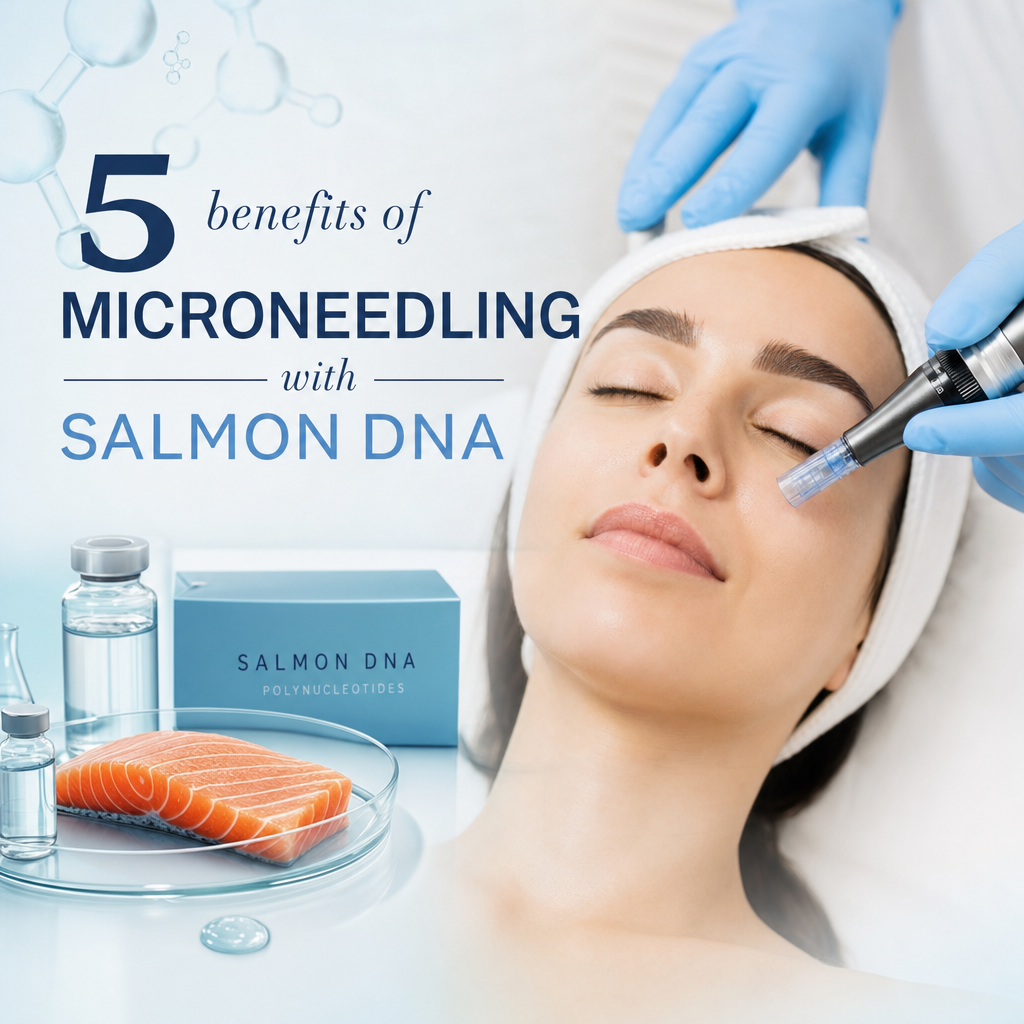
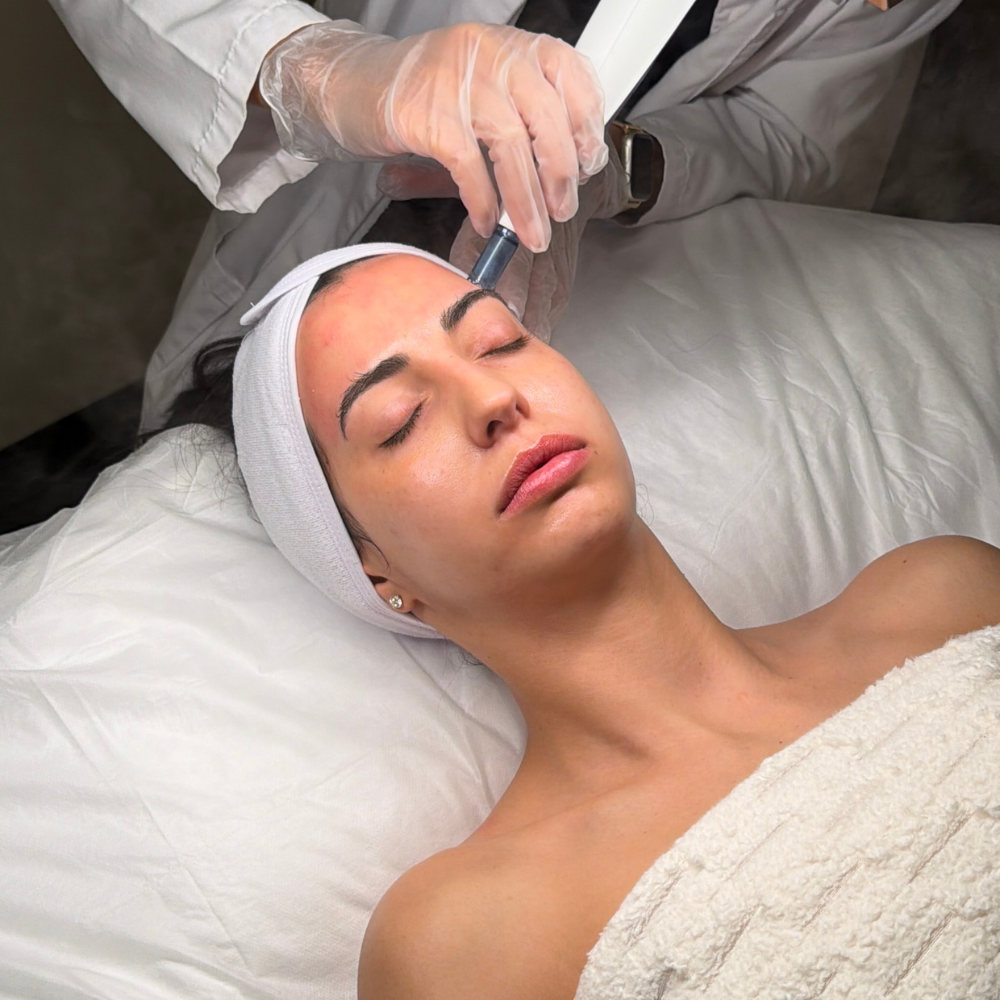
Microneedling uses a device fitted with fine, sterile needles that create thousands of controlled micro-channels in the skin. These tiny, temporary injuries trigger the body's natural wound-healing cascade, prompting fresh collagen and elastin production over the following weeks. It is commonly used for fine lines, enlarged pores, uneven texture, and certain types of acne scarring. Some devices add radiofrequency (RF) energy for deeper remodeling.
Microdermabrasion
Microdermabrasion is a mechanical exfoliation that sands away the outermost layer of dead skin, usually with a diamond-tipped wand or fine crystals plus suction. It targets dullness, mild congestion, and rough texture. There is no needling and no deliberate wounding, so it stays superficial and comfortable.
Dermaplaning
Dermaplaning uses a sterile surgical blade held at an angle to gently shave off dead skin cells and vellus hair (peach fuzz). The immediate result is a smoother surface, brighter tone, and better product and makeup application. When comparing microdermabrasion vs dermaplaning, both are surface exfoliators, but dermaplaning also removes fine facial hair while microdermabrasion offers more mechanical resurfacing and suction-based decongestion.
Microneedling vs microdermabrasion vs dermaplaning: how they compare
The clearest way to weigh microneedling vs microdermabrasion vs dermaplaning is by depth, downtime, and the concern each addresses best.
- Depth: Microneedling reaches the dermis; microdermabrasion and dermaplaning stay at the surface.
- Downtime: Dermaplaning and microdermabrasion have essentially none. Microneedling usually means 1-3 days of redness resembling a mild sunburn, sometimes light flaking.
- Best for: Choose microneedling for texture, scars, and collagen support; choose the surface exfoliation treatments for instant radiance and smoother makeup application.
- Frequency: Dermaplaning and microdermabrasion can be repeated every 3-4 weeks; microneedling is typically spaced 4-6 weeks apart in a series.
Is microneedling really worth it?
For the right candidate, many people find microneedling worthwhile because it addresses concerns surface exfoliation cannot, particularly acne scarring and early skin laxity. Whether microneedling is actually worth it depends on realistic expectations: it is a gradual, cumulative treatment, not a one-visit transformation. Most protocols recommend three to six sessions for meaningful change.
Does microneedling make you look younger, and does it age you faster?
Because microneedling encourages new collagen, many clients report firmer, more refreshed skin in their before-and-after photos over several months. It does not age you faster; the controlled micro-injury is designed to stimulate repair, not damage. That said, results are described as typical experiences, not guarantees, and outcomes vary with skin type, age, and provider technique. Anyone with active infections, certain skin conditions, or who is pregnant should avoid microneedling and consult a licensed provider first.

How long until you see results with microneedling vs microdermabrasion vs dermaplaning?
This is where the three diverge most.
- Dermaplaning and microdermabrasion: results are immediate. Skin looks brighter and feels smoother the same day.
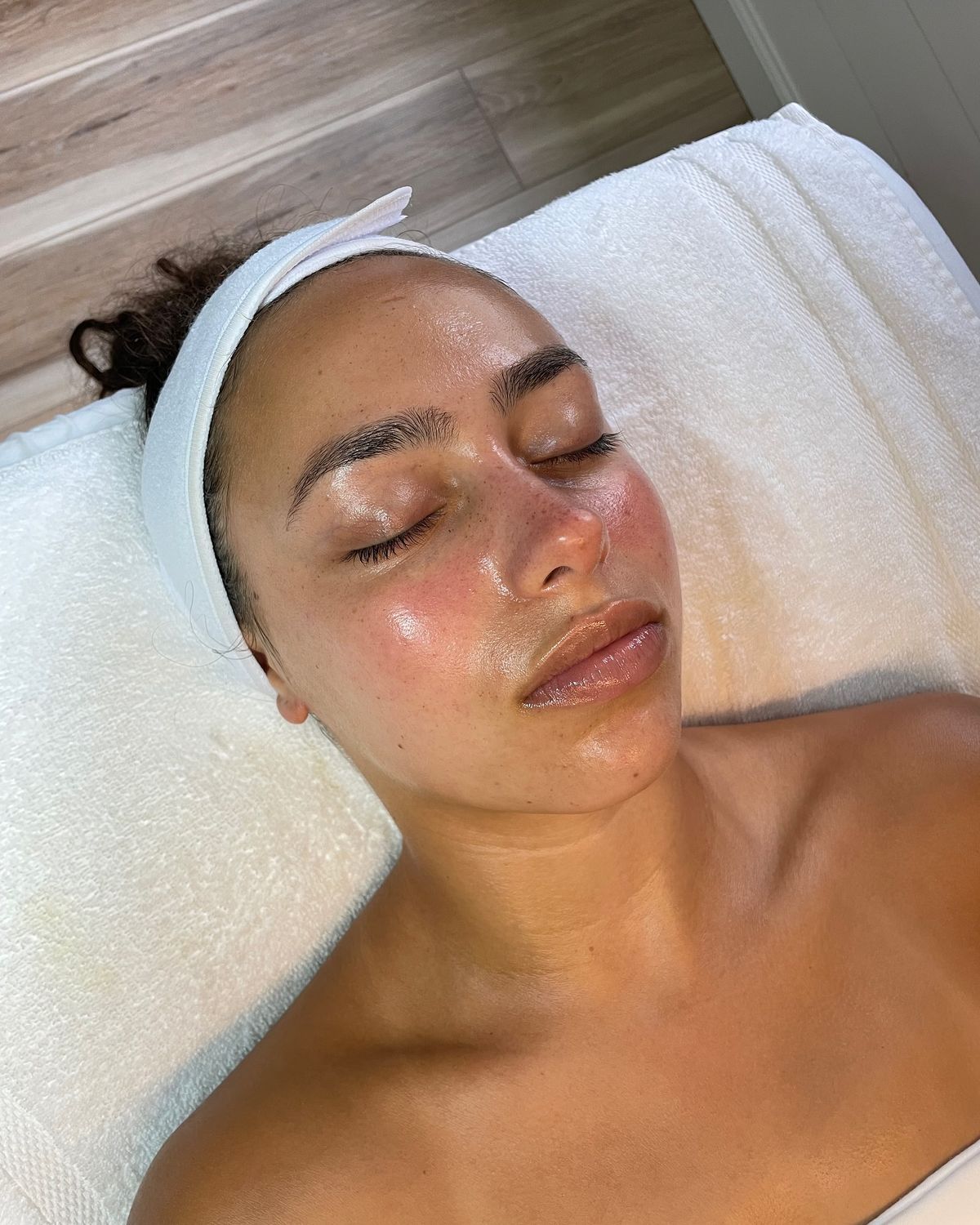
- Microneedling: you may notice a subtle glow within a week as surface healing completes, but the real collagen-driven improvements build gradually. How long after microneedling do you see results? Most people see visible change around 4-6 weeks, with continued improvement over 3-6 months as collagen remodels. A full series compounds the effect.
So when people ask how long it takes to see results from microneedling, the honest answer is: a little glow early, meaningful change over one to several months across multiple sessions. This timing gap is one of the biggest practical differences when you weigh microneedling vs microdermabrasion vs dermaplaning against your own schedule and patience.
Realistic pricing in Honolulu
Prices vary with provider credentials (esthetician versus nurse or physician), whether a branded energy device is used, how many sessions are bundled, and Hawaii's higher cost of living and equipment import costs. Treat these as general planning ranges and confirm directly with any provider.
- Dermaplaning: roughly $75-$150 standalone, often $50-$100 as a facial add-on.
- Microdermabrasion: roughly $75-$150 per session; packages of 5-6 often $300-$600.
- Traditional microneedling: roughly $200-$450 per session.
- RF microneedling: commonly $500-$1,500+ per session due to device licensing and advanced training.
When you compare cost across microneedling vs microdermabrasion vs dermaplaning, remember that the surface treatments are cheaper per visit but repeated more often, while microneedling costs more upfront but is spaced further apart.
Who each treatment suits
Dermaplaning suits most skin types wanting instant smoothness and hair removal, though very active, inflamed acne is usually a reason to skip it. Microdermabrasion suits dull, congested, or rough skin but is often avoided over active breakouts or very sensitive, reactive skin. Microneedling suits those addressing scars, texture, or early aging who can accept a short recovery. Because Hawaii's sun exposure is intense year-round, diligent daily SPF and post-treatment sun avoidance matter for every one of these skin resurfacing options.
Aftercare basics for microneedling vs microdermabrasion vs dermaplaning
- Surface treatments: avoid harsh actives (retinoids, strong acids) for a day or two, wear SPF, and keep skin hydrated.
- Microneedling: expect redness for 1-3 days, use gentle cleansers, skip makeup for about 24 hours, avoid direct sun and heavy sweating, and follow your provider's serum guidance.
Aftercare is another area where microneedling vs microdermabrasion vs dermaplaning genuinely differ: the deeper the treatment, the more attentive your recovery routine needs to be.
Choosing a qualified provider in Honolulu
Ask who performs the treatment and their credentials, whether needle depth and settings are customized to your skin, how devices are sanitized, and how many sessions they recommend for your goal. A thorough skin analysis before treatment is a good sign. In O'ahu's competitive aesthetics market, prioritize transparency and personalization over the lowest price.
Pure Luminosity Spa in Honolulu offers all three treatments plus complementary options, making it convenient to combine or compare approaches. Their menu includes Microneedling, Dermaplaning, and Microdermabrasion, along with facials and RF skin tightening, so a provider can tailor a plan after assessing your skin. Pure Luminosity Spa Honolulu positions itself around advanced skincare technology and personalized care.
Ready to experience Pure Luminosity Spa in Honolulu?
Book a Visit at Pure Luminosity SpaNext Steps
Start by naming your primary goal. If you want an immediate refresh with zero downtime, book dermaplaning or microdermabrasion. If you are targeting scarring, texture, or early aging and can accept a few recovery days, plan for a microneedling series and commit to sun protection. Then schedule a consultation with a licensed Honolulu provider to confirm the treatment suits your skin, discuss realistic timelines, and get honest pricing before you begin.