Understanding microdermabrasion vs facial peel comes down to one key difference: microdermabrasion buffs the skin physically, while a chemical peel dissolves the outer layer with acids. Both aim to reveal smoother, brighter skin, but they suit different skin types, budgets, and downtime tolerances. If you are researching treatments in the Murray and Salt Lake Valley area, knowing how each works before you book saves money and disappointment.
Key Takeaways
- Microdermabrasion is a physical exfoliation using fine crystals or a diamond tip; a facial peel uses acids to chemically loosen dead skin.
- Microdermabrasion has near-zero downtime; peels range from none (light) to several days of flaking (medium to deep).
- Both build results over a series of sessions rather than delivering a single dramatic change.
- Neither is medical advice, and a licensed provider should assess your skin before you choose.
How Microdermabrasion vs Facial Peel Actually Work
The core of the microdermabrasion vs facial peel decision is mechanical versus chemical exfoliation. They target similar concerns - dullness, uneven texture, clogged pores, fine lines, and early sun damage - but they get there very differently.
What is a microdermabrasion facial?
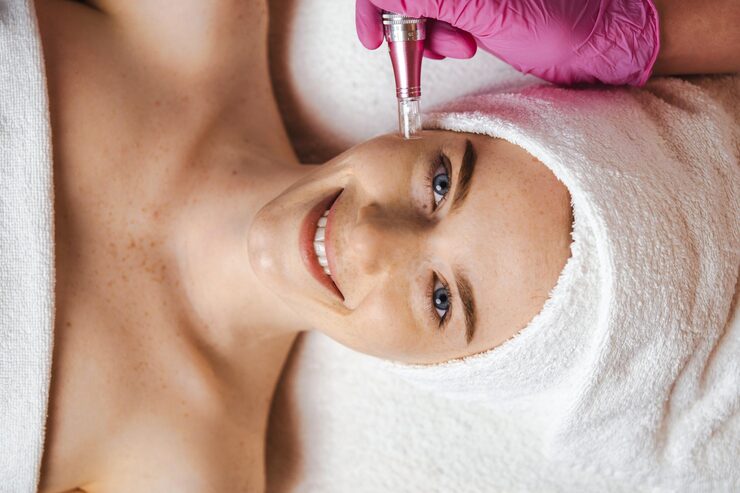
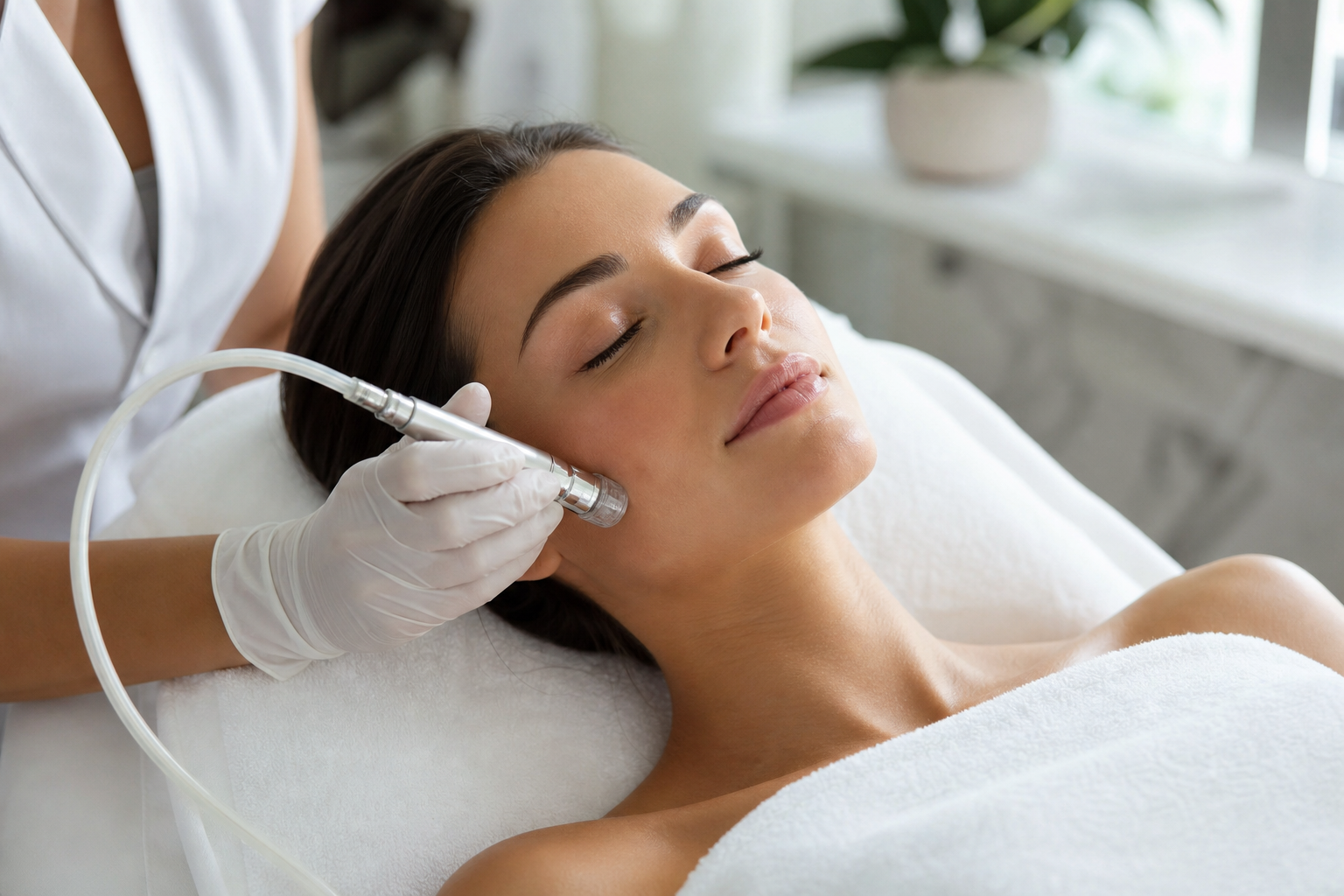
A microdermabrasion facial is a physical resurfacing treatment. A handheld device either sprays fine aluminum oxide crystals across the skin or passes a diamond-tipped wand over it, while gentle suction lifts away the loosened dead cells. It works on the outermost layer only, which is why it is considered gentle and low-risk for most skin types.
During the session you feel a mild scratchy, sandpaper-like sensation and steady vacuum pressure. A typical microdermabrasion facial runs 30 to 60 minutes. There is essentially no downtime; skin may look pink for an hour or two. Most people repeat it every 2 to 4 weeks, and cumulative results (smoother texture, brighter tone) build across a series.
What a facial peel does differently
A facial peel applies a chemical solution - commonly glycolic, lactic, salicylic, mandelic, or a TCA blend - that loosens the bonds between dead skin cells so they shed. Light peels feel like tingling or warmth and require little to no downtime. Medium peels can cause visible flaking and peeling for 3 to 7 days. Deeper peels (usually done in medical settings) involve more recovery and stricter aftercare.
The advantage of peels is that the acid strength and formula can be dialed in for specific goals, from congestion to pigmentation. In the microdermabrasion vs facial peel comparison, peels generally reach a little deeper and can address pigment and tone more aggressively, while microdermabrasion excels at instant smoothness with no recovery.
Microdermabrasion vs Facial Peel: Downtime, Results, and Who Each Suits
When weighing microdermabrasion vs facial peel, match the treatment to your skin and your calendar.
- Choose microdermabrasion if you want no downtime, have a big event soon, or have sensitive skin that reacts to acids. It suits dull, congested, or rough-textured skin.
- Choose a facial peel if your main concerns are uneven pigment, sun spots, or stubborn breakouts, and you can tolerate a few days of flaking with a medium-strength formula.
Who should be cautious: Active acne cysts, rosacea flares, eczema, open lesions, recent sunburn, or use of retinoids/isotretinoin can rule out one or both. Pregnancy affects which peel acids are appropriate. Deeper skin tones need experienced hands to avoid post-inflammatory pigmentation, especially with peels. This is general information, not a diagnosis; a licensed provider should evaluate your skin first.
Realistic expectations
Neither treatment is a one-and-done miracle. Think of both as building blocks. A single microdermabrasion facial gives an immediate glow; a course of 4 to 6 refines texture over time. A single light peel brightens; a series addresses pigment gradually. Results are typical experiences, never guaranteed, and depend heavily on your skin, aftercare, and sun protection.
What About Dermaplaning, Classic, and Other Facials?
Menus in the Murray area often list several facials side by side, so here is how they fit alongside the microdermabrasion vs facial peel question.
What is a dermaplaning facial?
A dermaplaning facial uses a sterile surgical-grade blade held at an angle to gently shave away dead surface skin and fine vellus hair (peach fuzz). Like microdermabrasion, it is physical exfoliation with no downtime, but instead of crystals or a diamond tip it uses a blade, and it removes hair that other treatments leave behind. Skin feels instantly smoother and makeup goes on more evenly.
Can you do dermaplaning and a facial together?
Yes. Dermaplaning is very often combined with a facial in the same appointment - that is exactly what a facial with dermaplaning means. A common sequence is cleanse, dermaplane, then continue with a mask, serums, or LED. Some providers even pair dermaplaning with a light peel afterward, because removing the surface layer first can help the peel penetrate more evenly. Whether you can combine dermaplaning and a facial (or a peel) in one visit depends on your skin's sensitivity that day, so let your esthetician guide the layering.
The other menu staples: a Classic Facial is the foundational cleanse, steam, extractions, mask, and moisturize service - a good starting point if you are new to facials. An Acne Treatment Facial adds deeper extractions and ingredients like salicylic acid or enzymes. A Non-Surgical Facelift Facial layers technologies such as microcurrent, radiofrequency, or LED for firming. A Men's Facial tailors products and extractions to thicker, often beard-adjacent skin.
Typical Pricing and Why It Varies
Prices vary widely by provider type, esthetician experience, products, and whether add-ons are bundled. Use these as general national reference bands, not Murray-specific quotes:
- Classic Facial: usually the entry-level price on a menu.
- Acne / Men's Facial: often slightly above a classic facial.
- Dermaplaning Facial: mid-range, reflecting the tool and training.
- Microdermabrasion Facial: similar to or just above dermaplaning, since it needs a dedicated device.
- Chemical peels: range from light (comparable to a facial) to medium (a step up).
- Non-Surgical Facelift Facial: typically the priciest, given longer sessions and specialized equipment.
When you compare microdermabrasion vs facial peel on cost alone, remember that prices climb with provider experience, the number of sessions in a package, the size of the area treated, and whether the setting is a medical spa versus a day spa. Searching for 60 minute facials near me or 90 minute facials near me is a good way to compare session length against price.
Where to Get Microdermabrasion in Murray, UT
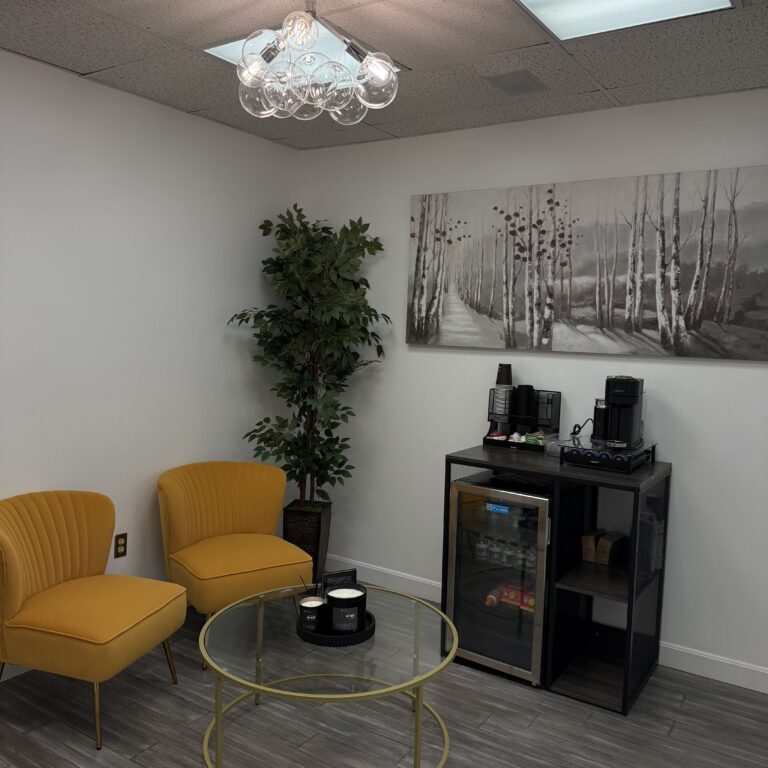
Murray sits in the heart of the Salt Lake Valley, drawing clients from Salt Lake City, Midvale, Taylorsville, Sandy, and Cottonwood Heights, and it is a recognized regional healthcare hub - so demand for clinical-adjacent skin care runs high. If you are wondering where to get microdermabrasion or exploring anti aging facial Utah options, one strong local choice is Lumiere Beauty & Spa in Murray.
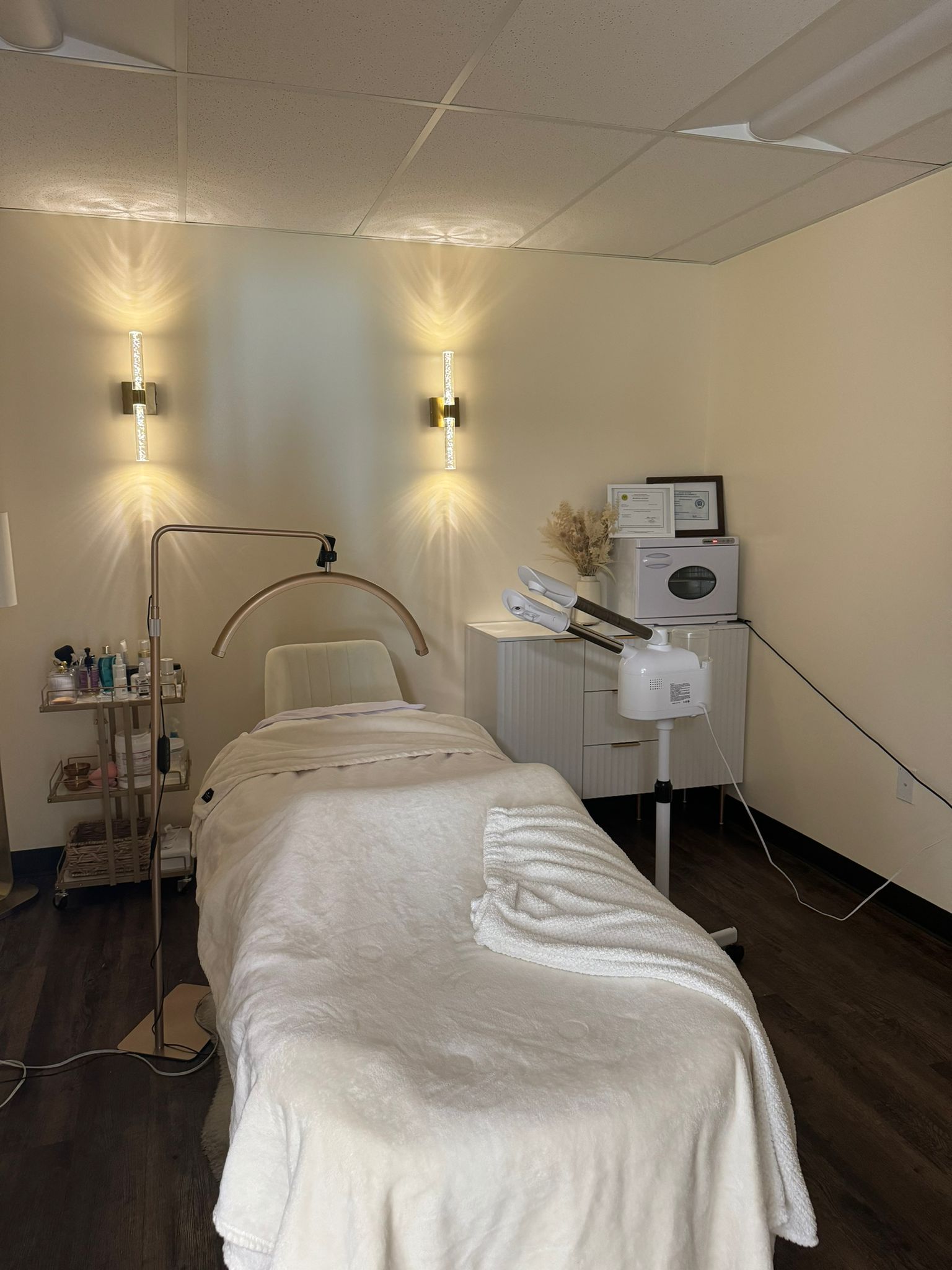
Lumiere offers a focused menu including a Microdermabrasion Facial and a Dermaplaning Facial, along with Acne Treatment, Classic, Non-Surgical Facelift, and Men's facials. Per its profile, treatments are guided by AI skin analysis to tailor the plan to your skin, with LED light therapy and collagen rejuvenation available in a calm spa setting. If you are still torn on the microdermabrasion vs facial peel question, an in-person assessment here can point you toward the right fit.
How to choose a qualified provider
- Confirm the esthetician is licensed and ask about their experience with your specific concern.
- Ask for a skin assessment before booking - a good provider will not push a peel or device you are not suited for.
- Discuss downtime honestly so you plan around events.
- Ask how many sessions are realistic and what aftercare (especially daily SPF) is required.
Ready to experience Lumiere Beauty & Spa in Murray?
Book a Visit at Lumiere Beauty & SpaNext Steps
Start by naming your top concern: if it is texture and dullness with zero downtime, book a microdermabrasion facial or dermaplaning. If it is pigment or congestion and you can spare a few flaky days, ask about a light-to-medium peel. The microdermabrasion vs facial peel choice is easier once you know what you want to fix. Either way, schedule a professional skin assessment first, commit to daily broad-spectrum SPF afterward, and plan for a series rather than a single session. Bring your questions to a licensed provider in Murray, describe your history honestly, and let them tailor the approach to your skin.